Key takeaways
- Not every crack is serious, but cracks that grow, step or gap deserve a look.
- Water is the root of most masonry problems, and movement is the second.
- Fix the cause before fixing the crack, or the crack will come back.
- Leaning, bulging and rusting lintels are signs to call a professional soon.
Reading the cracks
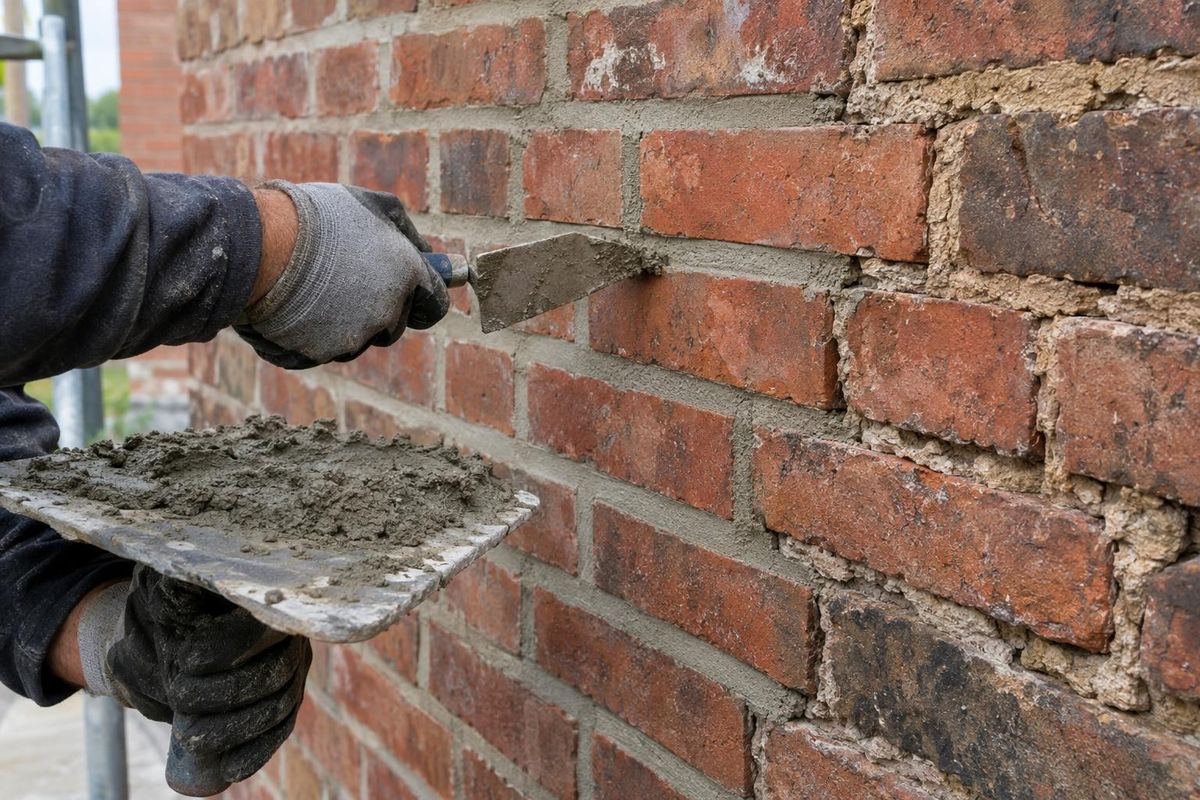
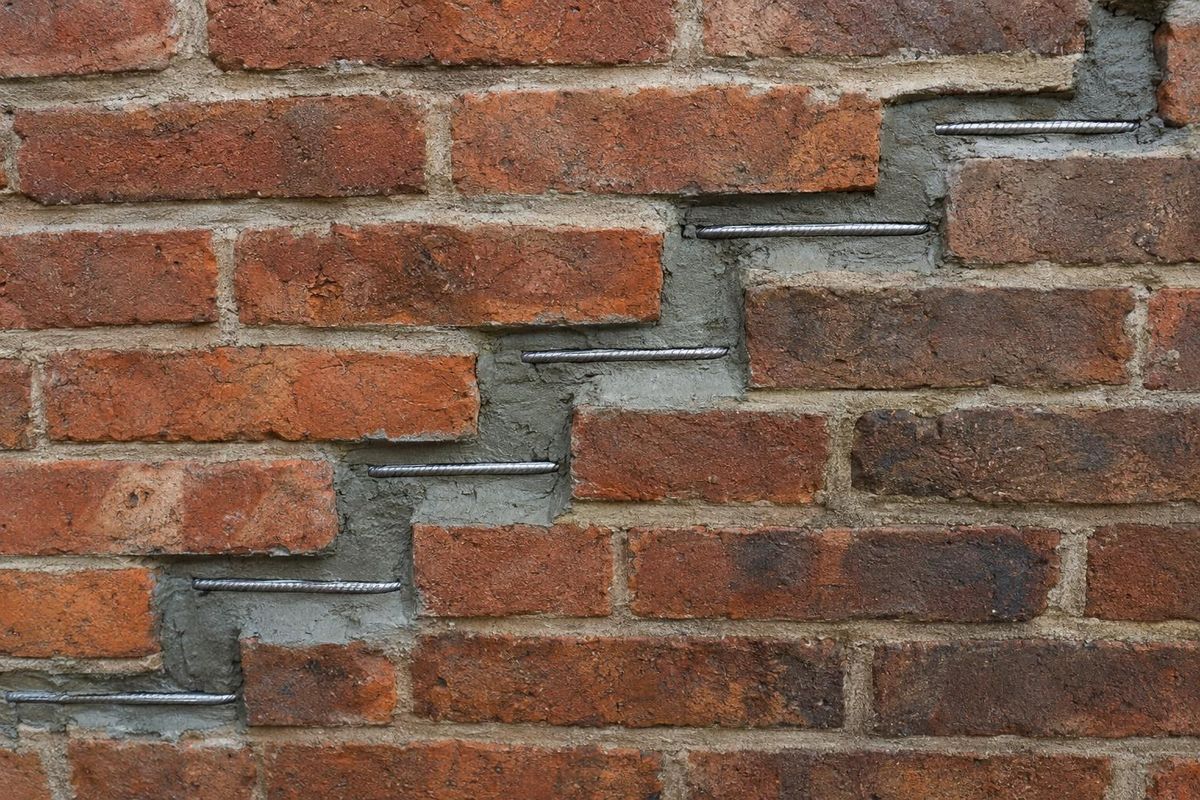
Hairline cracks in mortar joints are common and often only cosmetic. Cracks that step up along mortar joints, run wider at the top or the bottom or keep growing point to movement. Cracks at the corners of windows and doors often come from lintels or settlement.
Measuring and photographing a crack over a few months can show whether it is moving. Share those photos when you call.
Why walls lean or bulge
Leaning and bulging walls are usually under pressure from water, soil or a failed structural element. Retaining walls fail from water trapped behind them, and brick walls bulge when ties fail or the support below gives way.
In areas with clay soil, such as much of Middle Tennessee, seasonal swelling and shrinking can move foundations and walls, and drainage fixes often help.
Where leaks come from
Masonry absorbs some water, and well-built walls let it out again through flashing and weep holes. Leaks start where that system fails: open joints, cracked crowns, missing flashing, blocked weep holes or porous units.
White deposits called efflorescence show that water is moving through the wall. They can be cleaned, but the water source needs to be found.
When to call a mason
Call when cracks widen, a wall visibly leans, bricks are loose, lintels are rusting, ceilings stain near a chimney or water comes through a wall. Early repairs are usually simpler and smaller than late ones.
A good mason looks for the cause, explains what is cosmetic and what is not, and tells you when another specialist, such as a foundation or drainage contractor, should be involved.
Official sites to explore
Brand names and logos belong to their owners. These links open the official websites in a new tab, and we are not affiliated with them.
- Brick Industry AssociationTechnical notes and design guidance on brick construction.
- The Masonry SocietyA technical society for masonry design, construction and research.
- National Concrete Masonry AssociationTechnical resources on concrete block, pavers and segmental retaining walls.
- Metro Nashville Codes DepartmentPermits and inspections for Davidson County.
- University of Tennessee ExtensionResearch-based guidance on soils, water, plants and home care in Tennessee.
Quick answers
Are cracks in my brick dangerous?
Many are not, but widening or stair-step cracks can signal movement. An inspection tells you which type you have.
Will filling a crack fix it?
Only if the movement has stopped. Otherwise the crack returns.
What is the white powder on my brick?
It is efflorescence, a salt left when water moves through the wall. It can be cleaned, and the water source should be fixed.