Key takeaways
- Clay brick is durable, colorfast and easy to match and repair.
- Natural stone is unique and long-lived, with more of the effort in labor than in material.
- Concrete block and pavers are strong, adaptable and often used as a base for other finishes.
- Stucco and concrete suit smooth, modern or Mediterranean looks when the details are right.
Clay brick
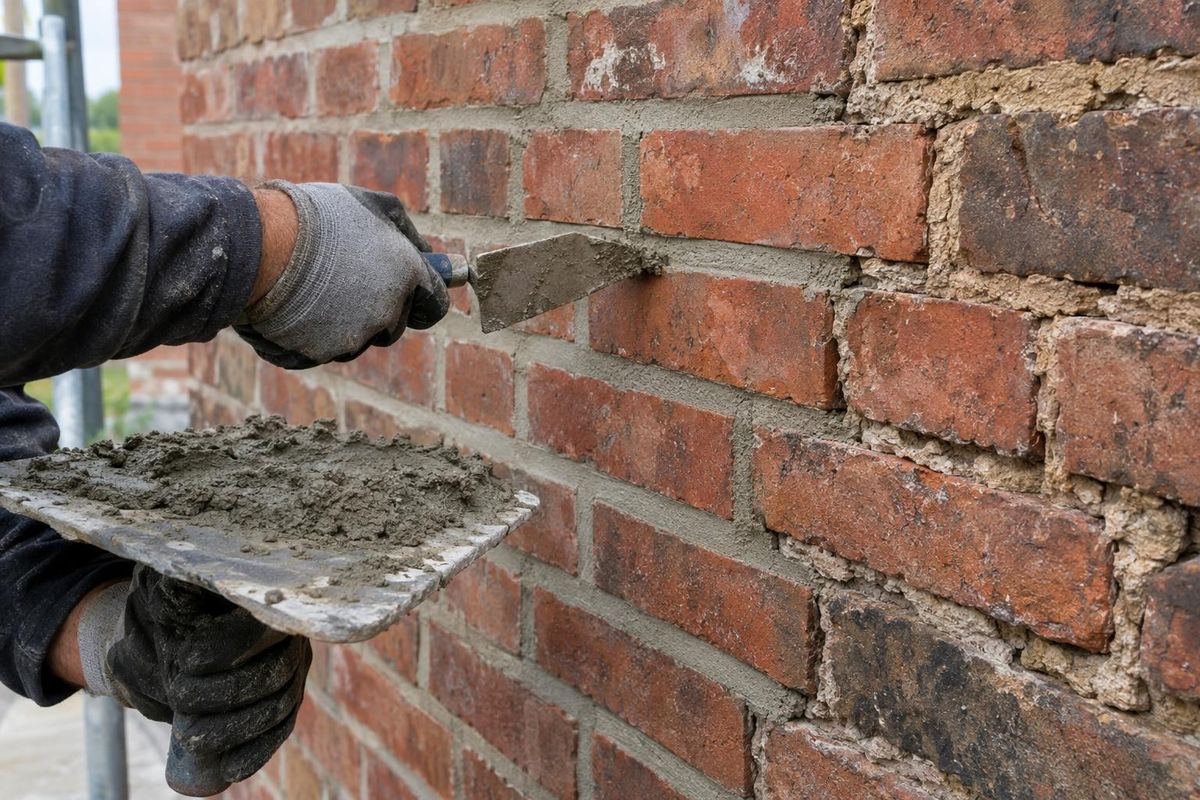
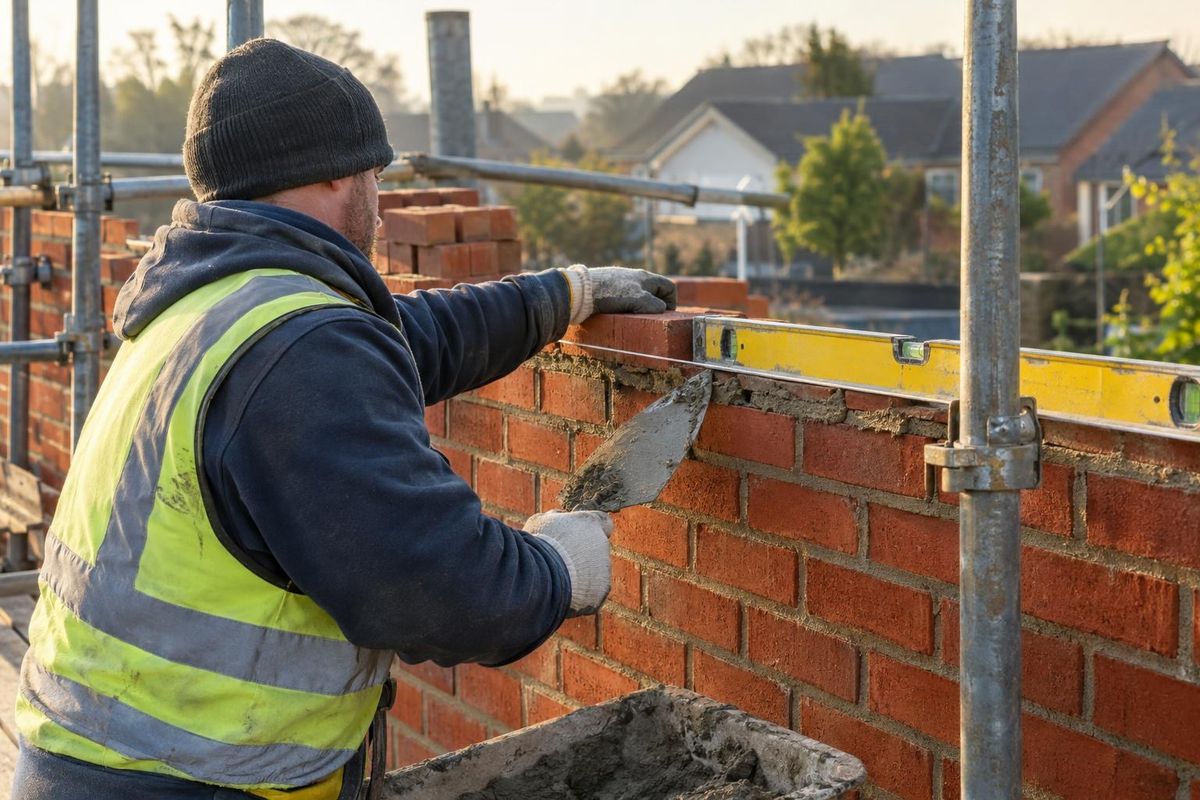
Fired clay brick is the classic choice in Middle Tennessee for good reason. It does not fade, it handles weather well and it comes in a wide range of colors, textures and sizes. Brick walls last for generations when they are built with sound mortar and kept dry, and individual units can be replaced when they are damaged.
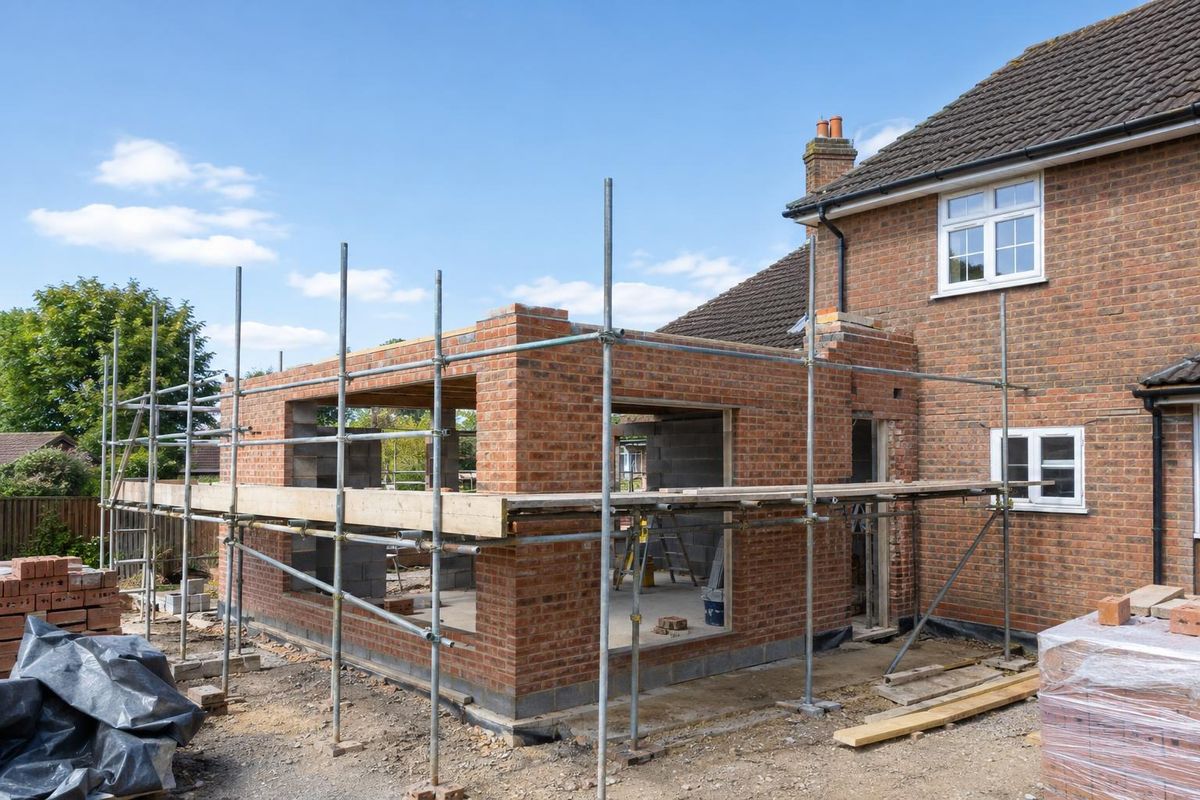
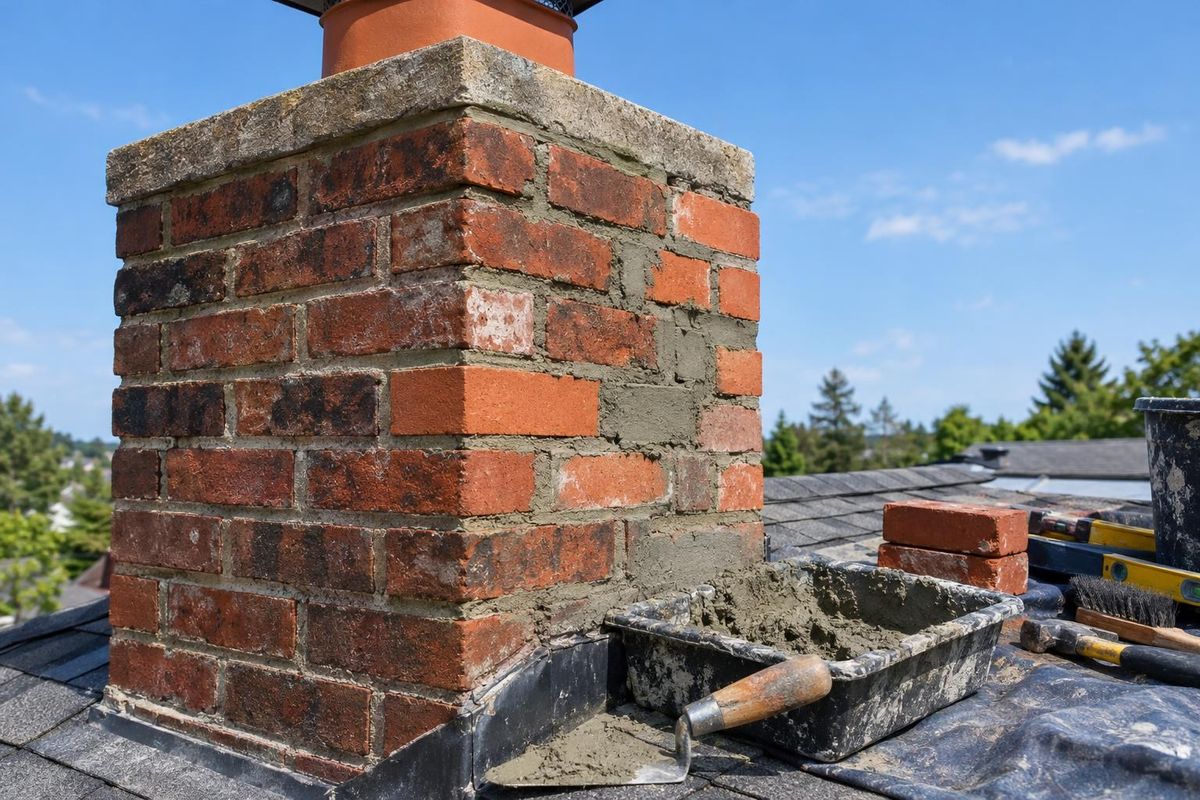
Brick works well for veneer, chimneys, patios, steps and walls. Matching existing brick can take effort, so samples and salvage are worth looking at early.
Natural and manufactured stone
Natural stone, such as limestone, fieldstone and flagstone, is cut from the earth and varies from piece to piece, which is part of its charm. It is very durable, and it suits walls, steps, patios and chimneys. Stone is often more labor than material, because each piece is chosen and fitted by hand.
Manufactured stone is made from concrete and colored to look like natural stone. It is lighter and more uniform and is often used as veneer. The right choice depends on the look you want, the structure behind it and how the wall will be exposed to weather.
Concrete block and pavers
Concrete masonry units are strong and economical for structural walls, foundations and cores that will be covered with other finishes. They can be reinforced with steel and grouted for added strength.
Concrete pavers lock together over a compacted base and make versatile patios, walkways and driveways. Because they can be lifted and reset, they are easy to repair later.
Stucco and poured concrete
Stucco is a cement-based coating applied in layers over lath or masonry, and it creates a smooth, continuous surface in many textures and colors. It performs well when flashing, control joints and drainage details are built correctly.
Poured concrete suits driveways, walks, footings, slabs and steps. It can be finished broom, smooth, stamped or stained, and proper bases and joints matter more than the surface finish.
Official sites to explore
Brand names and logos belong to their owners. These links open the official websites in a new tab, and we are not affiliated with them.
- Brick Industry AssociationTechnical notes and design guidance on brick construction.
- Natural Stone InstituteInformation on natural stone, its uses and its care.
- National Concrete Masonry AssociationTechnical resources on concrete block, pavers and segmental retaining walls.
- Interlocking Concrete Pavement InstituteGuidance on paver design, installation and maintenance.
- Portland Cement AssociationResources on cement, concrete and masonry mortar.
Quick answers
Should I use brick or stone on my house?
Brick is traditional and easy to match, while stone has more texture and variety. Many homes combine them. We show samples and talk through how each fits the house.
Is manufactured stone as durable as natural stone?
It can be durable when installed properly, but it is not the same material. Natural stone is solid throughout, while manufactured stone is a surface layer.
Which material needs the least upkeep?
Brick and stone need very little when they are built well. The bigger factor is how well water is managed by flashing, joints and drainage.