Key takeaways
- Mortar is meant to be the softer, sacrificial part of a masonry wall.
- Failed joints let water in, and water is what damages brick and stone.
- Mortar for repairs should be matched in strength, color and texture to the original.
- Good repointing removes failed mortar to a safe depth and packs in new mortar in layers.
What mortar does
Mortar is more than glue. It spreads the load between units, seals the joints against wind and rain and lets the wall move slightly without cracking. It is designed to be a little softer than the brick or stone, so if the wall has to give, the mortar gives first and the units stay whole.
Over decades, weather and moisture wear mortar away. This is normal, and it is why walls need repointing every so often.
Types and strength
Mortar is made from sand, binder and water. Modern mortars use Portland cement and lime in different ratios, graded by type, with some harder and some softer. Old buildings were often built with lime mortar that is very soft and breathable.
Using mortar that is harder than the masonry around it is a common mistake. It can crack the brick and push moisture through the units instead of the joints. This is why mortar should be tested and matched for older buildings.
Signs of failing joints
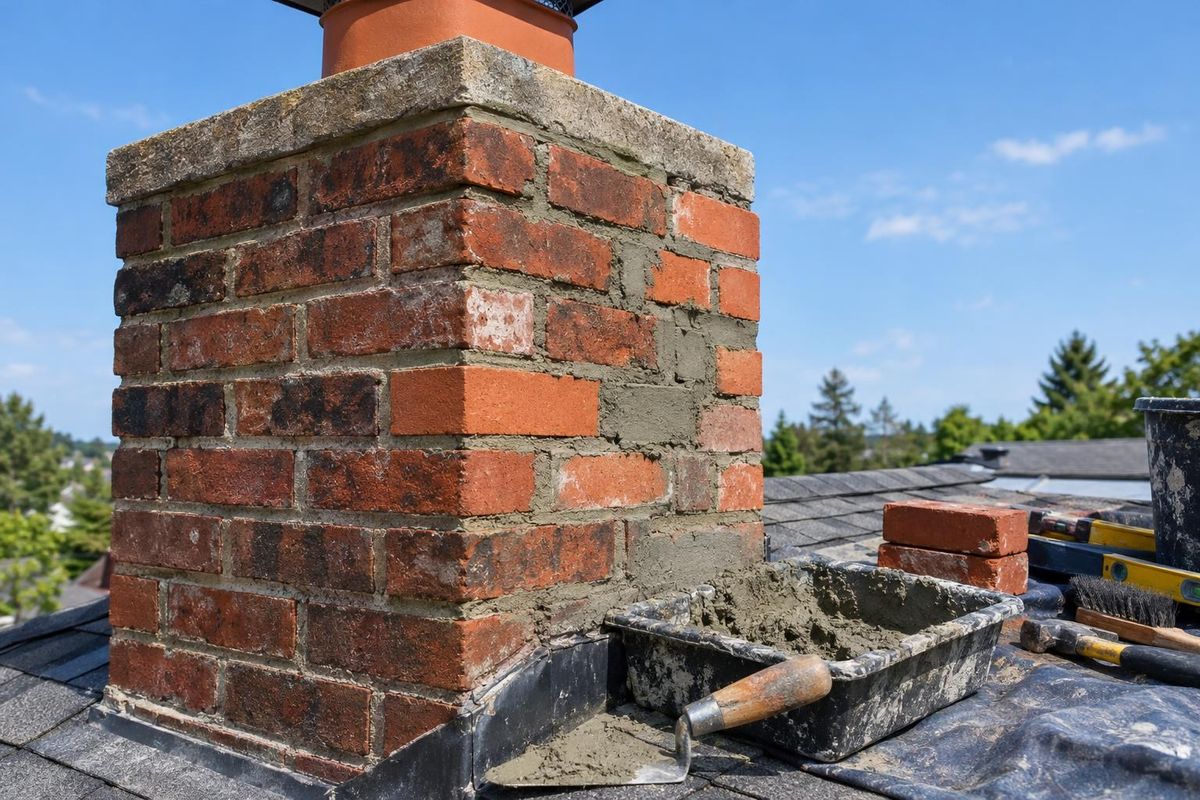
Look for crumbling sand at the base of the wall, joints that are recessed deeply, gaps you can push a key into, loose brick and damp patches inside. Water running down a wall in heavy rain and finding open joints is how many problems begin.
Around Nashville, cycles of freeze and thaw make small gaps larger each winter, so catching problems early saves work later.
How repointing is done
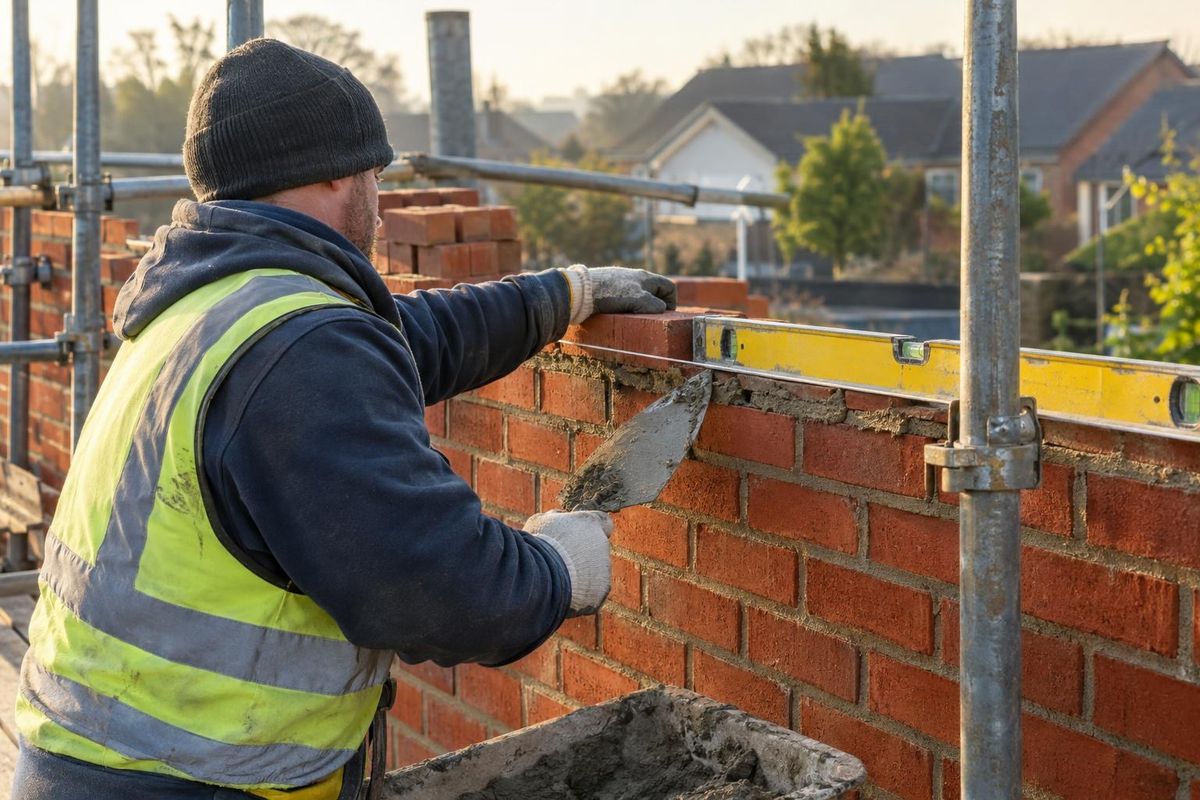
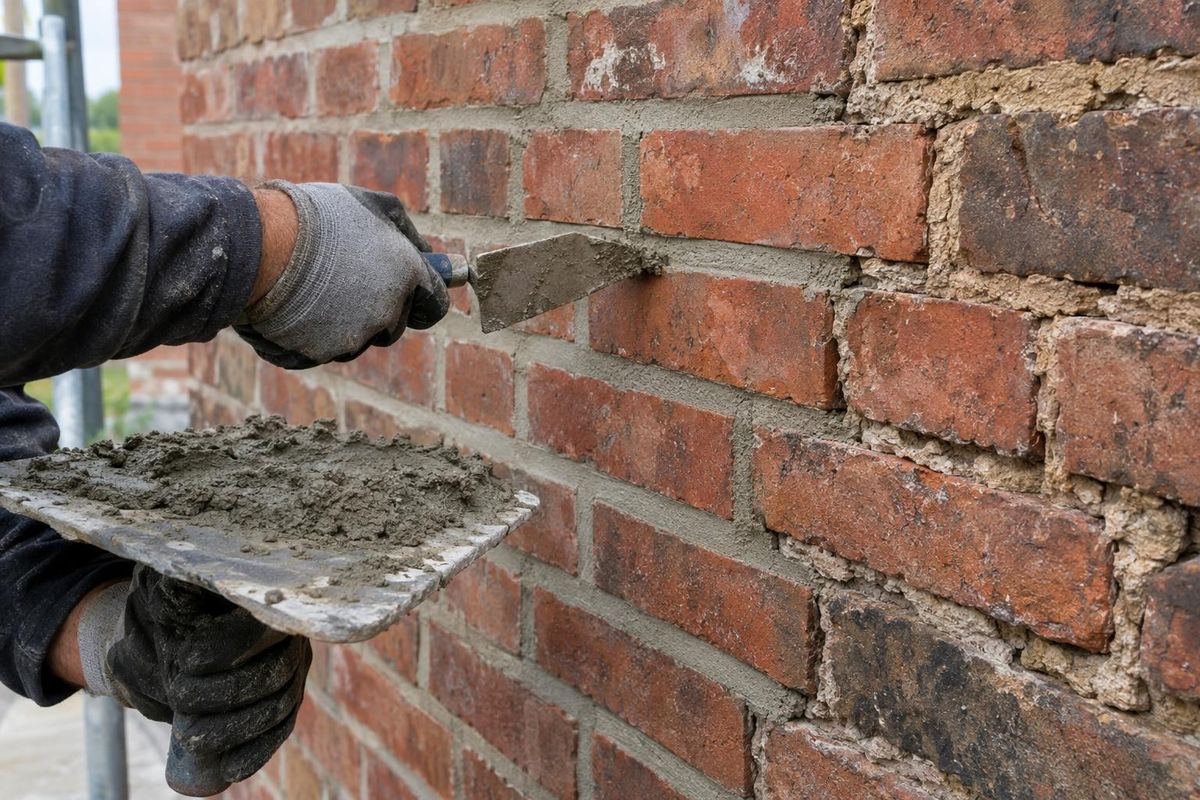
The mason removes failed mortar by hand or with grinders to a depth of roughly twice the joint width, cleans out the dust and wets the joint. New mortar is packed in thin layers, allowed to firm up and tooled to a profile that sheds water.
A final cleaning removes haze, and the wall is protected while the mortar cures. Done well, the new joints match the old and the wall is sound again.
Official sites to explore
Brand names and logos belong to their owners. These links open the official websites in a new tab, and we are not affiliated with them.
- National Park Service: Technical Preservation ServicesPreservation guidance, including briefs on repointing and cleaning historic masonry.
- Brick Industry AssociationTechnical notes and design guidance on brick construction.
- The Masonry SocietyA technical society for masonry design, construction and research.
- National Lime AssociationInformation on lime and its uses, including lime mortar.
- Portland Cement AssociationResources on cement, concrete and masonry mortar.
Quick answers
How long does repointing last?
Well-matched mortar can last decades, though exposure and the condition of the masonry make a difference.
Can I just fill the gaps with caulk?
Caulk is not a substitute for mortar. It is not made for masonry joints and tends to fail.
What is the difference between tuckpointing and repointing?
Repointing replaces failed mortar. Tuckpointing is a decorative technique that adds a thin line over the joint.