Key takeaways
- Spring is the time to inspect for winter damage.
- Summer is a good time for repairs, cleaning and new construction.
- Fall is the season to prepare chimneys and drainage before the cold.
- Winter care is mostly about preventing damage from ice and salt.
Spring
After winter, walk around the property and look for new cracks, loose brick, damaged caps and settled pavers. Check that downspouts and drains carry water away from walls and patios, and clear debris from weep holes.
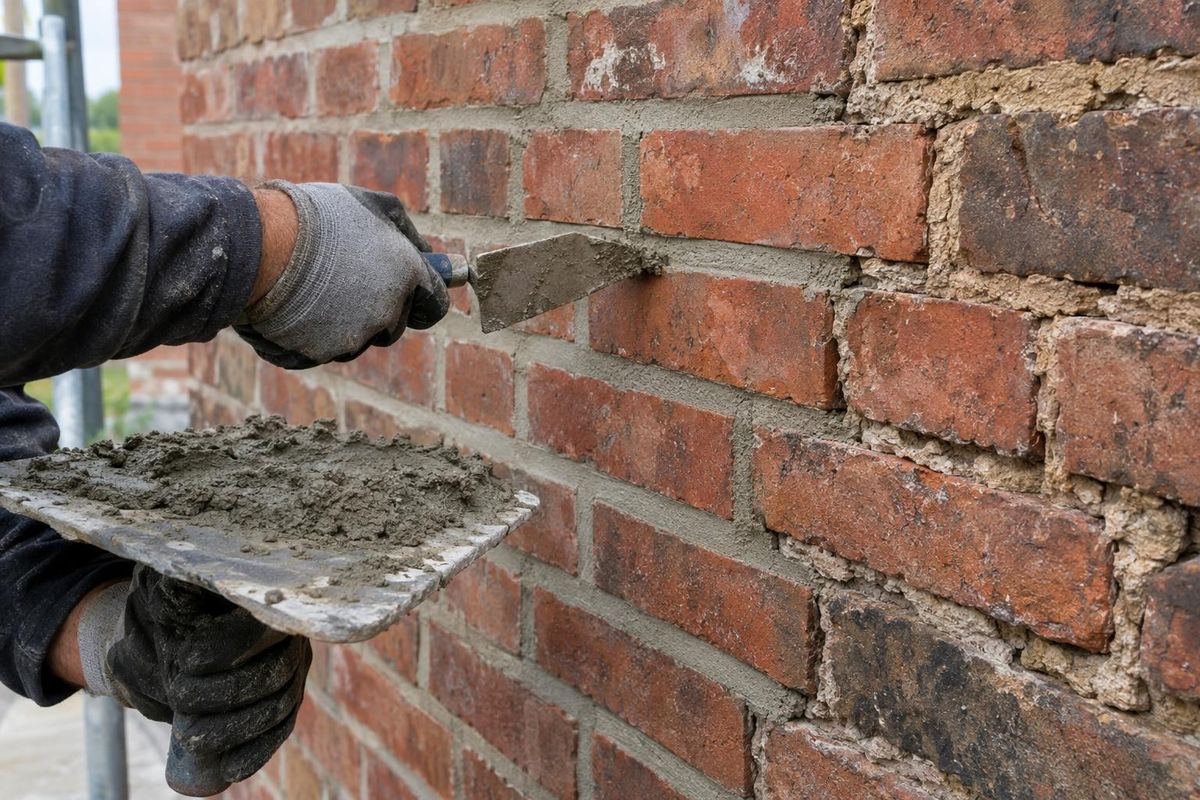
Spring is also a good time to schedule repointing, chimney repairs and projects that need good weather.
Summer
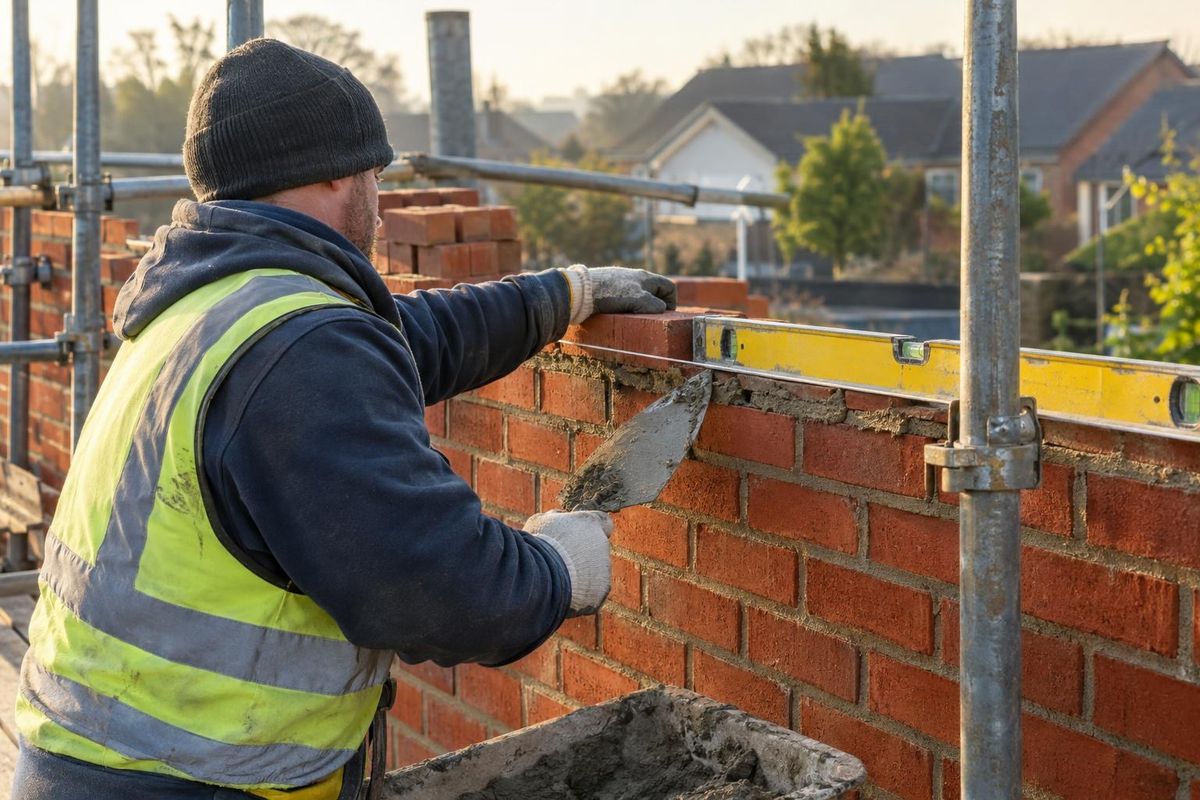
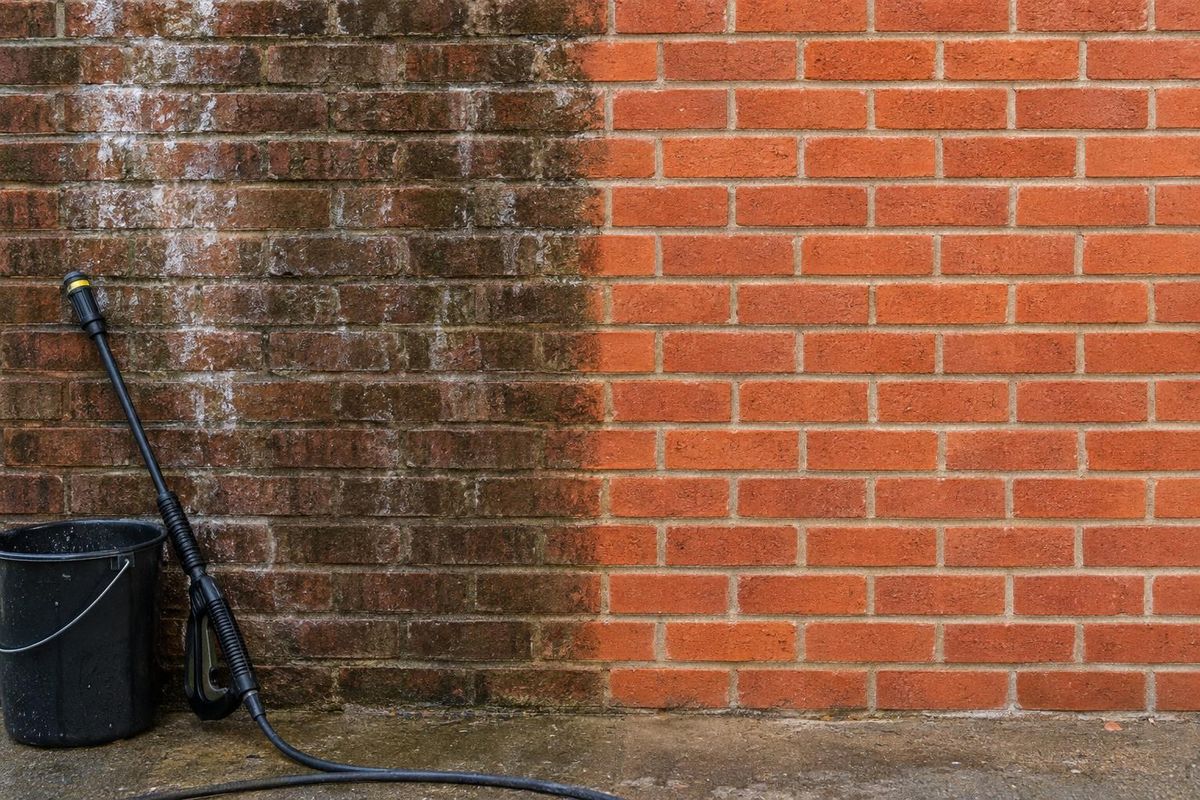
Summer's dry stretches are ideal for masonry work, because mortar and concrete cure well in warm, dry weather. Clean brick, stone and patios, deal with moss and algae and apply sealers if needed.
Check for anthills and weeds in pavers and refresh joint sand where it has washed out.
Fall
Before the heating season, have chimneys inspected, check crowns, caps and flashing and make sure the fireplace works. Clear leaves from patios and drains and trim plants away from walls so moisture can dry.
Repair cracks and failing joints before winter, because water that freezes in them makes the damage bigger.
Winter
Around Nashville, winters bring freeze and thaw cycles that stress masonry. Avoid deicing salts on brick, stone and concrete, which can cause scaling and efflorescence. Use sand or non-chloride products instead where possible.
Keep an eye on chimneys and roofline flashing during storms, and look for water stains inside the house.
Official sites to explore
Brand names and logos belong to their owners. These links open the official websites in a new tab, and we are not affiliated with them.
- National Weather Service NashvilleLocal forecasts, warnings and climate information for Middle Tennessee.
- Chimney Safety Institute of AmericaChimney safety information and inspection standards.
- Brick Industry AssociationTechnical notes and design guidance on brick construction.
- University of Tennessee ExtensionResearch-based guidance on soils, water, plants and home care in Tennessee.
- Interlocking Concrete Pavement InstituteGuidance on paver design, installation and maintenance.
Quick answers
How often should I inspect my masonry?
A walk-around each spring and fall is a good habit, along with an annual chimney inspection.
Is deicing salt bad for brick and concrete?
Salt can damage brick, stone and concrete over time. Sand or gentler products are safer.
When is a good time for masonry work?
Warm, dry weather suits mortar and concrete well, so late spring through early fall is common, though many repairs can be done year-round.